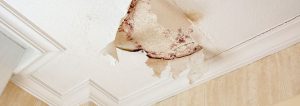
Water damage is a homeowner’s silent enemy. It can creep into your home unnoticed, causing significant damage over time. Early detection is crucial to avoid long-term problems and costly repairs. However, it’s not clear what exactly you should be looking for. If you’re worried that your home may have been affected by water, this simple guide will help you spot the warning signs.
Musty Odors
The presence of standing water provides the ideal conditions for the development of mold and mildew. The musty odor is caused by these fungi. If your home starts to have an unusual odor, especially after a heavy rain, it’s worth checking for water damage.
Bubbling or Peeling Paint
If water gets behind the paint on your walls, it can cause it to peel or bubble. This is because the moisture breaks down the bond between the paint and the wall, causing it to lose its adhesion.
Sagging Walls and Ceilings
Waterlogged materials become heavy, causing walls and ceilings to sag. This is a serious sign, as it indicates a substantial amount of water accumulation. Preventing further damage or collapse requires immediate attention.
Floor Changes
Changes in your floor can also indicate water damage. This may manifest as sponginess at footfall, buckling, or warping. Water can erode the support beneath your flooring, leading to these noticeable changes.
Mold Growth
Mold thrives in damp environments. If you notice mold patches, especially in corners or where walls meet ceilings, it’s a clear sign of water damage.
Increased Utility Bills
If your usage hasn’t dramatically increased, yet your bill has, it’s time to inspect your home for unseen water damage or leaks.
Conclusion
Homeowners can save themselves time, money, and hassle by regularly inspecting their properties for signs of water damage. Familiarize yourself with these signs and regularly inspect your home, especially after heavy rain or if you live in a flood-prone area. Early detection can make all the difference, allowing for quicker repairs and preventing more significant issues down the line. If you’re not sure how to proceed, it’s best to get an expert opinion.